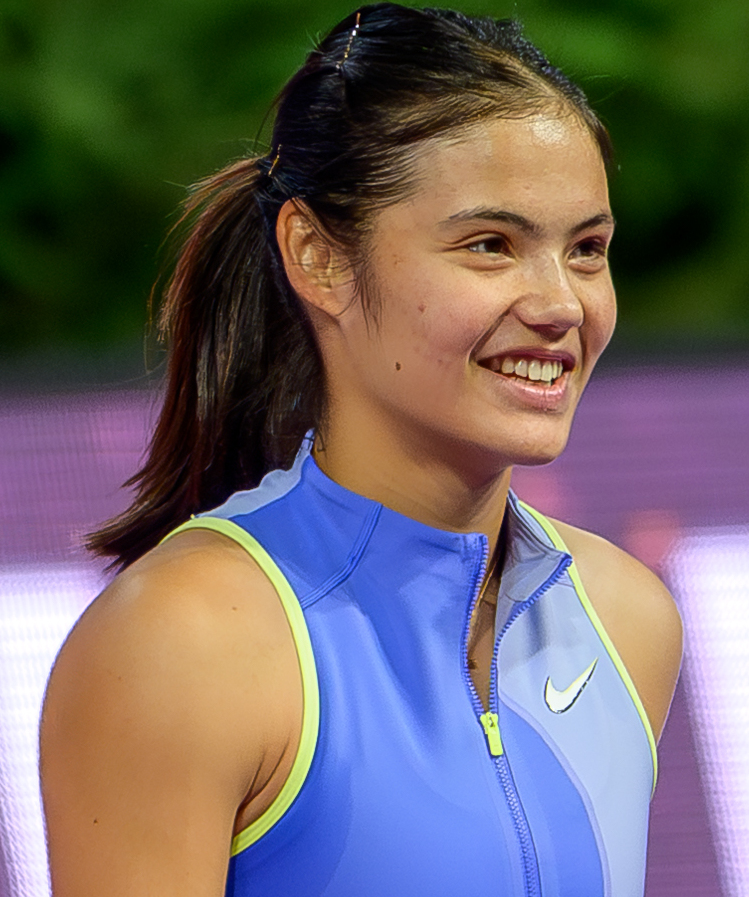
Emma Raducanu's Coaching Reboot: Tapping Into Instincts
The world of professional tennis demands relentless dedication, strategic prowess, and often, an unwavering support system. For former US Open champion Emma Raducanu, her journey since that stunning 2021 triumph has been a complex tapestry of highs, lows, and a revolving door of raducanu tennis coach figures. Now, at a pivotal moment in her career, Raducanu is embarking on a unique coaching reboot, signaling a profound desire to reconnect with her authentic self on court and reclaim the instinctive, free-hitting style that propelled her to superstardom.
Her recent statements reveal a thoughtful, self-aware athlete determined to forge her own path, even if it deviates from conventional wisdom. Rather than seeking a single, dominant voice, Raducanu is embracing a more fluid approach, "tapping into a few people" for guidance as she seeks to rediscover her natural game. This shift is not merely a tactical adjustment; it represents a philosophical recalibration for one of tennis's most scrutinized young talents.
The Quest for an Authentic Playing Style
Since her meteoric rise, Emma Raducanu has openly admitted to feeling disconnected from her true game. Her partnership with Francisco Roig, for instance, concluded after January's Australian Open, reportedly due to a disagreement over her playing style. This marked the seventh full-time coach she had worked with, highlighting a persistent challenge in finding a cohesive vision.
"Right now, it's more about bringing my instincts back out, getting back in touch with myself," Raducanu told BBC Sport. This sentiment underscores a common dilemma for young prodigies: the balance between formal coaching and innate talent. As she further elaborated, "I have had a lot of people telling me what to do, how to play, and it hasn't necessarily fit. So I want to come back to my natural way of playing. That takes time to relearn because that's something that has been coached out of me a little bit."
This candid admission offers valuable insight into the pressures and influences shaping an elite athlete's development. While coaching is crucial for refinement and strategy, an overabundance of external direction can sometimes stifle an athlete's natural expression and confidence. Raducanu's current focus is on shedding these layers of imposed instruction to unearth the aggressive, intuitive player who dominated Flushing Meadows as an 18-year-old qualifier.
The journey back to an authentic style isn't about rejecting all guidance, but rather about discerning which advice resonates and empowers her unique game. It’s a process of introspection and active experimentation, aiming to integrate beneficial insights without sacrificing her core identity on court.
Navigating the Full-Time Coach Conundrum
Raducanu's reluctance to commit to a singular, full-time raducanu tennis coach is a clear departure from the traditional model, yet it's born from thoughtful consideration of her past experiences and the intense public spotlight. "I don't necessarily want to have one coach in the role because anyone I bring in is straight away going to be scrutinized – even if it's a trial," she explained. This scrutiny, she fears, could create undue pressure to maintain a partnership that isn't truly serving her best interests.
The constant media attention on her coaching changes has undoubtedly contributed to her cautious approach. Each new appointment has been met with speculation, often overshadowing her on-court performances. Her desire to avoid feeling "the pressure to stick with them, even if it's not necessarily the right decision," reveals a mature understanding of self-preservation in a high-stakes environment.
While she remains open to the idea of a coach who "works well," Raducanu acknowledges the difficulty of finding one person who can "check every box." This flexible strategy allows her to cherry-pick expertise as needed, rather than being bound by a single coaching philosophy that might not align with her evolving self-discovery. Her preference is for guidance that complements her vision, rather than dictates it: "I would rather someone not come in and tell me 'let's do this', and I disagree with it but have to listen to them." This stance highlights her growing conviction in her own instincts and judgment, prioritizing internal alignment over external authority.
For more on her unique approach, read Raducanu Seeks Natural Game: Why She Shunned A Full-Time Coach.
The Return of a Familiar Face: Mark Petchey's Ad Hoc Role
In her pursuit of instinctual play, Emma Raducanu has turned to a trusted and familiar presence: Mark Petchey. Petchey, known for his broadcast work with the Tennis Channel and his past coaching tenure with Andy Murray early in his career, has stepped in to offer assistance at Indian Wells. This ad hoc arrangement isn't new; Petchey previously joined Raducanu's team in Miami last March, where she reached the quarter-finals, and was a regular presence throughout the clay-court season.
Raducanu's comfort with Petchey is palpable. She specifically asked for his help, citing a feeling of being "uncomfortable" with her game prior to his involvement, and has since noted a significant improvement. "I work really well when I'm with him," she stated, adding, "I'm really happy to be on the court and just really enjoy it overall." This sense of enjoyment and improved comfort are crucial indicators that Petchey's influence is positively impacting her mental and physical game.
While Alexis Canter has also been part of her support system, largely serving as a hitting partner and present during her run to the semi-finals in Washington and her second career final in Cluj, Petchey's more experienced coaching role takes precedence when he's on court. This dynamic exemplifies Raducanu's current multi-faceted approach, leveraging different individuals for specific needs without formalizing a singular coaching hierarchy.
To delve deeper into Petchey's impact, see Mark Petchey Guides Raducanu: Indian Wells Coaching Insights.
Relearning the Natural Game: A Path to Consistency
Emma Raducanu's current "reboot" is less about radical transformation and more about rediscovery. After struggling with a chest infection earlier in the year and failing to win matches in Doha or Dubai, her arrival at Indian Wells feeling healthy and revitalized marks a fresh start. Her goal is clear: to return to the aggressive, free-hitting tennis that defined her US Open victory. "At the start of the year, I wasn’t feeling too good about my game, and I was playing in a way I didn’t necessarily enjoy," she reflected, emphasizing her desire to "get back into being more aggressive."
Practical Insights from Raducanu's Journey:
- Self-Awareness is Key: Raducanu's journey highlights the critical importance for athletes to understand their own core strengths and natural tendencies. Recognizing when external advice clashes with internal instincts is vital for long-term development.
- Flexible Support Systems: The traditional full-time coach model isn't the only path to success. A bespoke team, drawing on various experts for specific needs (technical, physical, mental), can be highly effective, especially for unique talents.
- Prioritizing Enjoyment: Her statement about being "happy to be on the court and just really enjoy it overall" underscores the mental aspect of performance. When an athlete enjoys their game, motivation and resilience naturally improve.
- The Value of Trust: Bringing back familiar faces like Mark Petchey, with whom she has a proven rapport, demonstrates the power of trusted relationships in sports. Confidence in one's support team allows an athlete to focus purely on their game.
Relearning a natural game after having it "coached out" is a significant challenge, requiring patience and resilience. It involves consciously unlearning ingrained habits and trusting one's inherent feel for the ball and the court. This process is not instantaneous but, if successful, can unlock a deeper, more sustainable level of performance. By focusing on her instincts, Raducanu is investing in a foundation that could bring greater consistency and, crucially, more enjoyment back to her tennis.
Conclusion
Emma Raducanu's current coaching strategy marks a bold and personal declaration of independence. By "tapping into a few people" and prioritizing her innate instincts over a singular coaching voice, she is taking ownership of her game in a profound way. This journey back to her authentic self, guided by trusted figures like Mark Petchey and a clear vision of her desired playing style, could be the key to unlocking consistent success and recapturing the magic that enthralled the world. It���s a testament to her growing maturity and self-belief, proving that sometimes, the best way forward is to look inward and reconnect with the natural talent that was always there.