Mark Petchey Guides Raducanu: Indian Wells Coaching Insights
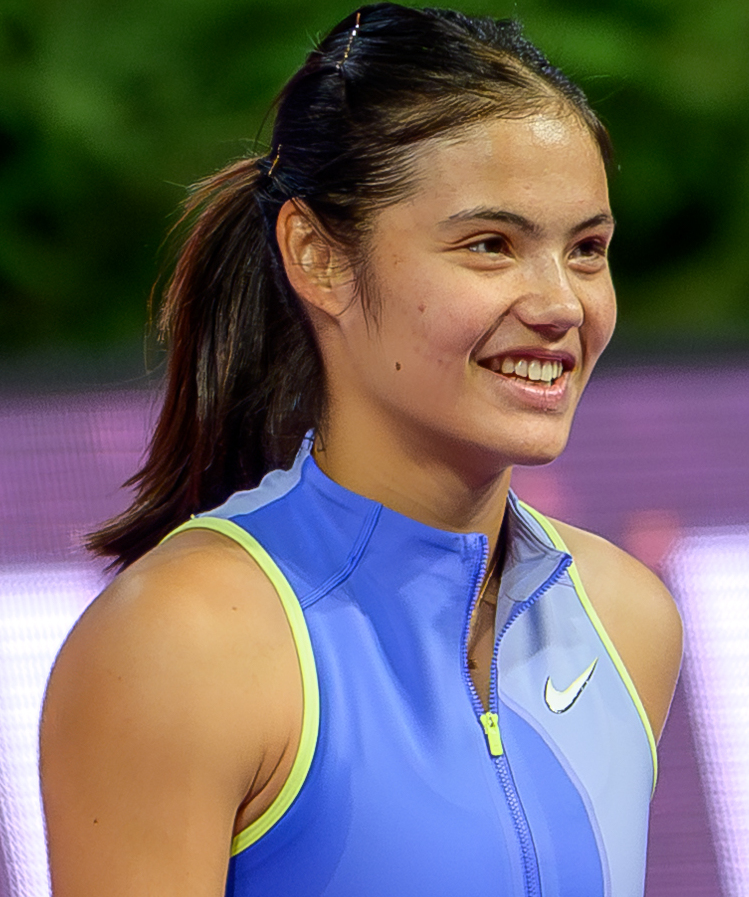
The shimmering Californian desert, home to the BNP Paribas Open at Indian Wells, often serves as a crucible for tennis stars. For former US Open champion Emma Raducanu, it's more than just another tournament stop; it's a pivotal moment in her ongoing journey to rediscover her authentic game. Central to this quest, albeit in a flexible capacity, is the seasoned guidance of Mark Petchey, a familiar face bringing much-needed stability and insight to the British star's evolving coaching strategy.
Raducanu's path since her fairytale triumph in New York in 2021 has been marked by a series of coaching changes and an often-articulated desire to play a game that truly feels her own. Indian Wells 2023 sees her embarking on what she terms a "reboot," moving away from a traditional, singular coaching setup and instead "tapping into a few people" for advice. This approach, born from a period of self-reflection and a desire to reconnect with her innate instincts, highlights a mature and strategic shift in her development.
The Quest for Instinct: Raducanu's Evolving Coaching Philosophy
Emma Raducanu's candid reflections prior to her Indian Wells campaign revealed a player determined to reclaim her unique playing style. Her partnership with Francisco Roig, for instance, concluded after the Australian Open due to disagreements over her on-court approach. This marked the seventh full-time Raducanu tennis coach, underscoring a persistent challenge in finding a consistent fit.
"Right now, it's more about bringing my instincts back out, getting back in touch with myself," Raducanu shared, indicating a weariness with external influences. She acknowledged having "a lot of people telling me what to do, how to play, and it hasn't necessarily fit." This sentiment resonates deeply with many athletes who, after experiencing meteoric success, find themselves at a crossroads, needing to distinguish between external expert advice and their internal compass.
Her reluctance to immediately appoint another full-time coach stems from a pragmatic understanding of the intense scrutiny such a move would attract. "Anyone I bring in is straight away going to be scrutinised," she explained, adding that she might "feel the pressure to stick with them, even if it's not necessarily the right decision." This strategic pause allows her to experiment, learn, and truly vet potential long-term partners without the immediate public and media pressure to commit. It's a testament to her growing self-awareness and her priority of authentic development over perceived stability.
This period of self-discovery is crucial for Raducanu. It allows her to identify the core components of her game that brought her success – particularly her aggressive, free-hitting style that saw her conquer the US Open as an 18-year-old qualifier. By consciously working to "relearn" what might have been "coached out of her a little bit," she aims to build a foundation that is both technically sound and intrinsically aligned with her personality on court. For a deeper dive into her strategy, read Emma Raducanu's Coaching Reboot: Tapping Into Instincts.
Mark Petchey's Return: A Familiar Face at Indian Wells
Amidst this strategic pivot, the presence of Mark Petchey at Indian Wells offers a reassuring anchor. Petchey, known for his punditry work with the Tennis Channel, was already at the tournament in his professional capacity. However, he readily answered Raducanu's call for assistance, resuming an ad-hoc role that mirrors previous successful collaborations.
This isn't Petchey's first stint with Raducanu. He joined her team in Miami last March, a period during which she reached the quarter-finals. His guidance extended through the subsequent clay-court season, where she notably reached the fourth round in Rome. His previous experience as Andy Murray's coach at the start of his career further attests to his pedigree and ability to work with elite British talent.
The arrangement is explicitly described as "day-to-day," reflecting Raducanu's current philosophy of flexible mentorship. Petchey's ability to seamlessly integrate into her current needs, without the implied pressure of a permanent role, appears to be a significant factor in its success. He's on court regularly, offering guidance that Raducanu actively sought out when she felt "uncomfortable about her game."
The Petchey Effect: Why This Partnership Works
The synergy between Raducanu and Petchey seems palpable. Raducanu herself articulates the positive impact: "I work really well when I'm with him... I'm really happy to be on the court and just really enjoy it overall." This sense of enjoyment and comfort is paramount for an athlete who has openly spoken about the mental pressures and external influences she's faced. Petchey's approach appears to foster an environment where Raducanu feels empowered to explore and trust her own game, rather than being dictated to.
Several factors likely contribute to this effective, if temporary, partnership:
- Established Trust: Having worked together before, there's a pre-existing rapport and understanding that bypasses the initial awkwardness of a new coaching relationship.
- Flexibility and Reduced Pressure: The ad-hoc nature of the arrangement aligns perfectly with Raducanu's current desire to avoid committing to a full-time raducanu tennis coach. This allows for genuine, pressure-free collaboration.
- Focus on Instincts: Petchey's guidance seems to complement Raducanu's goal of rekindling her natural game. His role might be more about affirming and refining her existing strengths rather than overhauling her technique or strategy.
- Experience and Perspective: As a former professional player and commentator, Petchey brings a wealth of experience, not just in coaching but also in understanding the broader landscape of professional tennis. This holistic perspective can be invaluable.
- Positive Environment: The enjoyment Raducanu expresses while working with Petchey is a strong indicator of a healthy, productive coaching dynamic. In high-stakes sports, mental well-being and a positive attitude are crucial for performance.
While the long-term implications are uncertain ("I'm not sure, going forward, what it will look like," Raducanu noted), the immediate benefits are clear. She has already "noticed an improvement over the past few days," suggesting that Petchey's influence is precisely what she needs to regain confidence and rhythm.
Beyond Petchey: The Broader Coaching Picture
While Mark Petchey takes a leading role at Indian Wells, he isn't the only individual in Raducanu's support system. Alexis Canter, who has been with her as a hitting partner in previous tournaments like Washington (where she reached the semi-finals) and Cluj (where she made her second career final), also plays a part. However, his limited coaching experience means he typically takes a backseat when Petchey is on court. This multi-faceted approach, with specialized roles for different individuals, offers a modern solution to the complexities of elite sports coaching.
Raducanu's struggles since her US Open victory, including not winning a match in Doha or Dubai due to a chest infection, highlight the physical and mental demands of the tour. Her current health is good, providing a clean slate for her efforts at Indian Wells. Her desire to get back to being "more aggressive" on court indicates a clear vision for her game, and the current coaching setup seems geared towards supporting that specific objective.
Looking Ahead: Raducanu's Path Forward
Emma Raducanu's Indian Wells experience with Mark Petchey is more than just a temporary arrangement; it's an important phase in her evolution as a professional athlete. By embracing a flexible coaching model, she's prioritizing self-discovery and internal alignment over external pressures. This could be a template for how elite athletes manage their development in an increasingly scrutinized environment.
The challenge for Raducanu will be to translate these positive training dynamics into consistent match performance. The goal is not just to win matches, but to win them playing her way – with that aggressive, instinctive style that first captivated the tennis world. Whether Petchey's ad-hoc role evolves into something more structured, or if she eventually identifies a long-term raducanu tennis coach that perfectly checks every box, this period of thoughtful experimentation is invaluable. It’s a bold move that could redefine how she approaches her career, placing her own instincts and well-being at the forefront.
The journey to reclaim her natural game is a marathon, not a sprint. With Mark Petchey's experienced hand guiding her, even temporarily, Emma Raducanu is laying down crucial foundations at Indian Wells for what she hopes will be a triumphant return to consistent form and enjoyment on the court.